Western Australia continues to present one of the most compelling real estate investment opportunities in Australia.
Realside’s conviction in WA is grounded in direct experience and sustained economic outperformance. Across the key drivers of real estate demand — population growth, employment and household spending — WA has consistently ranked at or near the top nationally. These are not short‑term cyclical effects, but enduring fundamentals that support long‑term occupier demand and income growth.
A Market Supported by Sustained Economic Strength
Recent data referenced in our Malaga Retail Fund webinar reinforces WA’s position as the leading state across several core economic measures, including household spending, employment growth and population growth.
At a city level, Perth’s performance is equally compelling. On a global comparison, Perth ranks strongly across real GDP growth, employment growth, population growth and household disposable income. In several measures, Perth outperforms not only other Australian capital cities, but a range of global peers.
Despite this, Perth remains under‑represented in many Australian real estate portfolios. This disconnect between economic performance and investor allocation continues to create opportunity for disciplined capital.
Population Growth and Infrastructure Investment
Population growth remains a central driver of demand across WA. Growth across key metropolitan catchments continues to exceed the national average, supporting household formation and resilient retail spend.
This demographic tailwind is being reinforced by substantial government‑led infrastructure investment, including major transport upgrades and the continued expansion of the Metronet network. These investments are improving connectivity, enabling higher residential density and reshaping established precincts.
As these areas evolve, they support stronger and more active catchments — a critical factor in sustaining long‑term demand for well‑located real estate assets.
Retail Conditions Remain Favourable
The WA retail sector is benefiting from a favourable supply‑demand dynamic.
Household spending continues to outperform the national average, supporting tenant demand and rental growth. At the same time, new supply remains constrained. Elevated construction costs and feasibility pressures have limited the delivery of new retail developments, despite existing planning approvals.
This imbalance is supporting improving rental conditions across the sector. Large format retail has been a standout, demonstrating resilience and consistent growth, underpinned by population growth and ongoing demand for essential household goods and services.
Relative Value Remains a Key Advantage
One of the most compelling aspects of the WA market is the relative value available. Compared to other major markets, investors can access assets on attractive metrics relative to comparable transactions, rental levels and replacement cost.
In some cases, assets are being acquired below replacement cost, with meaningful underlying land value. This provides downside protection alongside multiple avenues for value creation, including rental growth, active asset management and future repositioning.
Strategy in Practice
Realside’s Malaga Retail Fund is an example of how WA’s broader fundamentals translate into a specific investment opportunity.
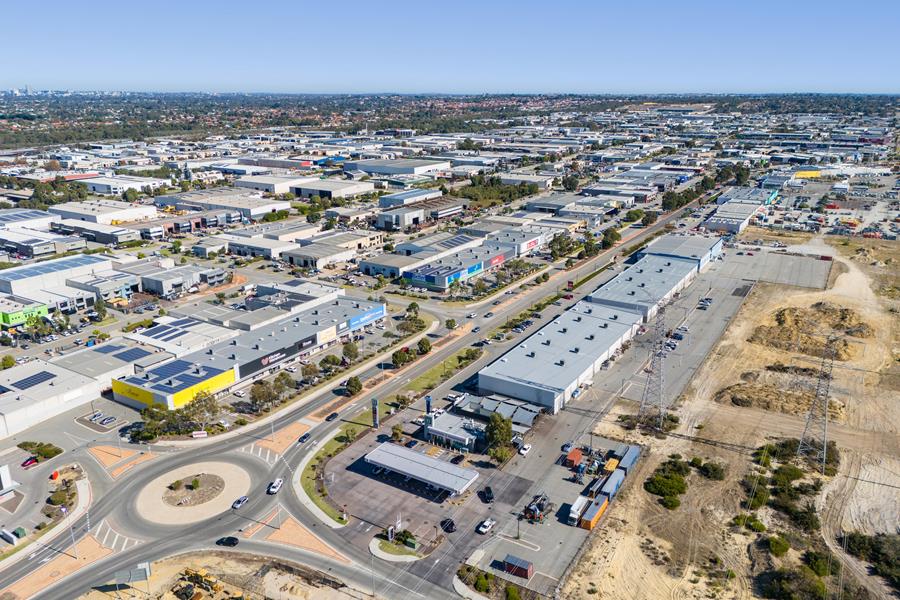
Located approximately 15 kilometres from the Perth CBD, the asset benefits from strong connectivity, high exposure and proximity to major infrastructure investment, including transport upgrades and emerging development precincts. It sits within a growing catchment characterised by population growth, increasing density and resilient household spending.
Importantly, the asset reflects the relative value available in the WA market — acquired below replacement cost, supported by significant underlying land value, and offering clear potential for rental growth. Malaga is consistent with Realside’s broader strategy of targeting assets where strong fundamentals, infrastructure investment and pricing align.
Diversification Benefits
More broadly, WA provides a compelling diversification opportunity. For investors heavily weighted towards the eastern seaboard, the state offers exposure to a different economic cycle and growth profile, while still delivering the scale, liquidity and institutional depth of a major Australian market.
In today’s dynamic commercial real estate landscape, optimising value remains a central challenge and opportunity for investors and asset managers alike. At Realside, we believe value extends beyond price – it reflects sustainable, risk-managed performance throughout an asset’s lifecycle. This philosophy underpinned our CEO Linda Rudd’s recent presentation at the Property Funds Association of Australia (PFA) Master Class, where she outlined four core principles that drive enduring value in commercial property investing.
1. Strategic Investment Frameworks
The foundation of value creation begins with a holistic investment strategy. Tangible factors, such as lease structures, capital expenditure and debt management, form the measurable backbone of performance. However, it’s the integration of these elements within a thoughtful, forward-looking plan that ultimately unlocks value across market cycles.
Diversification plays a pivotal role in managing risk and seizing opportunities across asset classes and geographies. Active asset management, as opposed to passive ownership, ensures every square metre is leveraged to its fullest potential through proactive leasing, renegotiation and targeted enhancements. Long weighted average lease expiries (WALEs) remain desirable, but flexibility within lease terms can help capture rental reversion at key market inflection points.
Capital expenditure should be prioritised where it strengthens tenant retention and supports higher net operating income. Whether through amenity upgrades or sustainability driven enhancements, planned investment can improve both market perception and performance. Similarly, strategic debt structuring, including interest rate hedging where appropriate, helps stabilise cash flow and supports resilience in volatile environments.
2. Income as the Engine of Value
Income is the primary driver of real estate value. In commercial property, asset value is fundamentally linked to the ability to generate and grow net income over time. Higher and more stable income streams, driven by successful leasing outcomes, rent escalations and operational efficiencies, directly enhance asset valuations.
Consistent income not only supports valuation outcomes but also strengthens an asset’s appeal to lenders. In an environment where capital costs and expectations around risk-adjusted returns are rising, robust income profiles underpin investment confidence and access to financing.
3. ESG as a Value Enhancer
Environmental, Social and Governance (ESG) considerations have quickly moved from peripheral to core strategic drivers in real estate investment. Rather than being viewed solely as a cost centre, ESG initiatives can enhance asset value through lower vacancy risk, reduced operating expenses and stronger tenant demand for sustainable buildings.
Energy efficiency improvements, waste reduction, sustainable fit-outs and adaptive reuse of existing buildings not only reduce carbon impact but also improve market positioning. ESG-aligned assets can command higher rents and attract tenants prioritising sustainability, a trend that continues to gather pace across commercial markets.
4. Protecting Value from Market Shocks
Risk mitigation is essential to preserve value over time. Asset owners cannot predict every market shift, but prudent planning, including scenario analysis for interest rate changes, cap rate movements and tenant market exposures, helps manage downside risks.
Comprehensive insurance coverage and strict compliance protocols ensure organisations are prepared for unexpected events, from natural disasters to economic disruptions. Robust lease documentation protecting rental streams during downtime further safeguards asset performance.
Realside is pleased to announce the appointment of Greg Linklaterto its growing team, bringing more than 23 years of experience across the real estate investment landscape.
Greg joins Realside with an extensive background spanning transactions as well as experience in funds management, portfolio management, new business development, asset management and capital raising. His career includes investing on behalf of major global institutions across both equity and debt, with exposure to direct and indirect investment strategies. While his primary focus has been the Australian market, Greg has also overseen significant portfolios and transactions in the United States, Europe and the United Kingdom.
Prior to joining Realside, Greg served as Head of Transactions at PGIM, where he built a strong track record across all major real estate sectors from office, retail and industrial to living assets delivering results across the full spectrum of investment strategies, from core acquisitions to development projects. His previous experience also includes senior roles at Macquarie Bank and Emboss Capital.
Realside CEO Linda Rudd said Greg’s appointment reflects the firm’s commitment to strengthening its investment expertise as it continues to expand its portfolio.
“Greg’s transactional experience, global perspective and proven execution capability make him a valuable addition to our team,” Ms Rudd said. “His depth of insight across markets and asset classes will support Realside’s continued growth and our focus on delivering strong outcomes for investors.”
Founder Mark Vonic also welcomed Greg to the team, highlighting the importance of senior expertise as the business accelerates its strategic ambitions.
“Greg brings the kind of high-calibre investment experience that aligns with Realside’s vision and long-term approach,” Mr Vonic said.
Greg holds a Bachelor of Commerce from the University of New South Wales and a Graduate Diploma of Applied Finance from Kaplan Professional.
Realside is pleased to announce the formal submission of a Development Application (DA) to Lane Cove Council for the proposed transformation of 170 Pacific Highway, Greenwich.
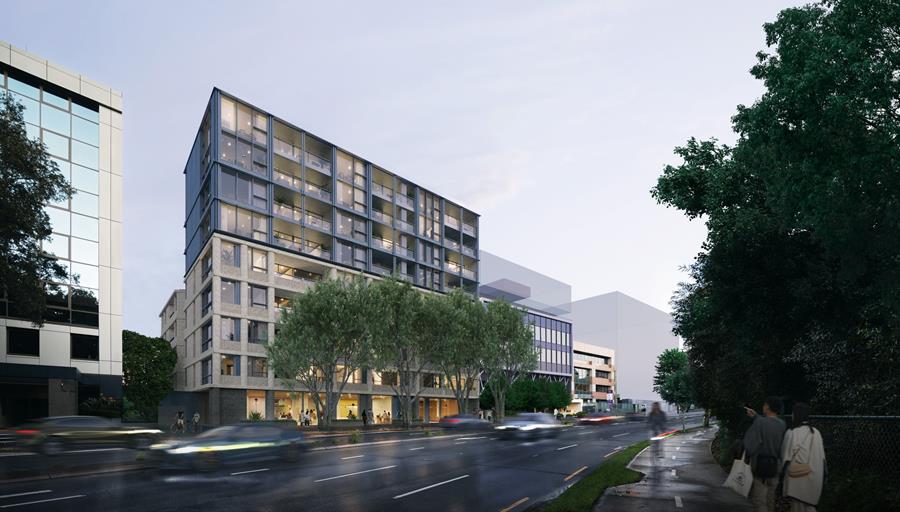
The application outlines plans to convert the existing five-storey commercial office building into a ten-storey luxury residential development tailored for the over-55s and downsizer demographic.
The project, designed by WMK Architecture, reflects Realside’s revised asset strategy focused on adaptive reuse. The development will retain the existing structure and add five new levels, delivering 48 high-quality apartments featuring a mix of spacious one, two and three-bedroom configurations. Each residence will offer expansive indoor-outdoor living, large bedrooms, and for the upper floors, panoramic views of Sydney Harbour and surrounding districts.
Residents will enjoy a suite of premium amenities, including a ground floor movie theatre, pool, sauna, and fitness studio. The rooftop level will feature thoughtfully designed communal spaces such as a library, wine room, private dining area, outdoor BBQ zone, and a landscaped garden – all designed to foster a vibrant community and deliver an exceptional lifestyle experience.
A central feature of the project is its sustainable design approach. By retaining the building’s concrete slab, the redevelopment is expected to reduce carbon emissions by approximately 1.25 million kilograms of CO₂ compared to a full demolition and rebuild. This method also accelerates the construction timeline by avoiding the need for structural demolition. In addition, the project is targeting an average 7-star BASIX and NatHERS rating, with the potential to pursue a WELL Living certification, further reinforcing its focus on environmental performance and occupant wellbeing.
This project exemplifies the growing trend of adaptive reuse in urban planning, delivering high-quality housing in high-demand areas while prioritising sustainability and community wellbeing.
The skyscraper once dubbed Bondy’s Tower is being renamed Palace Tower in a nod to its Gold Rush history, as part of a $10 million makeover to attract a new anchor tenant.
The building at 108 St Georges Terrace was built by late businessman AlanBond, who worked from the penthouse suite of what was considered Perth’s most prestigious business address.
It has more recently been known as the South32 Tower after the anchor tenant, which is due to end its lease late next year ahead of a move to theEnex building.
The name change reflects the Palace Hotel built onsite nearly 130 years ago during the Gold Rush.
It is also part of a bid, along with the makeover, to attract a new anchor tenant, amid competition from a raft of premium-grade new offices at Elizabeth Quay.
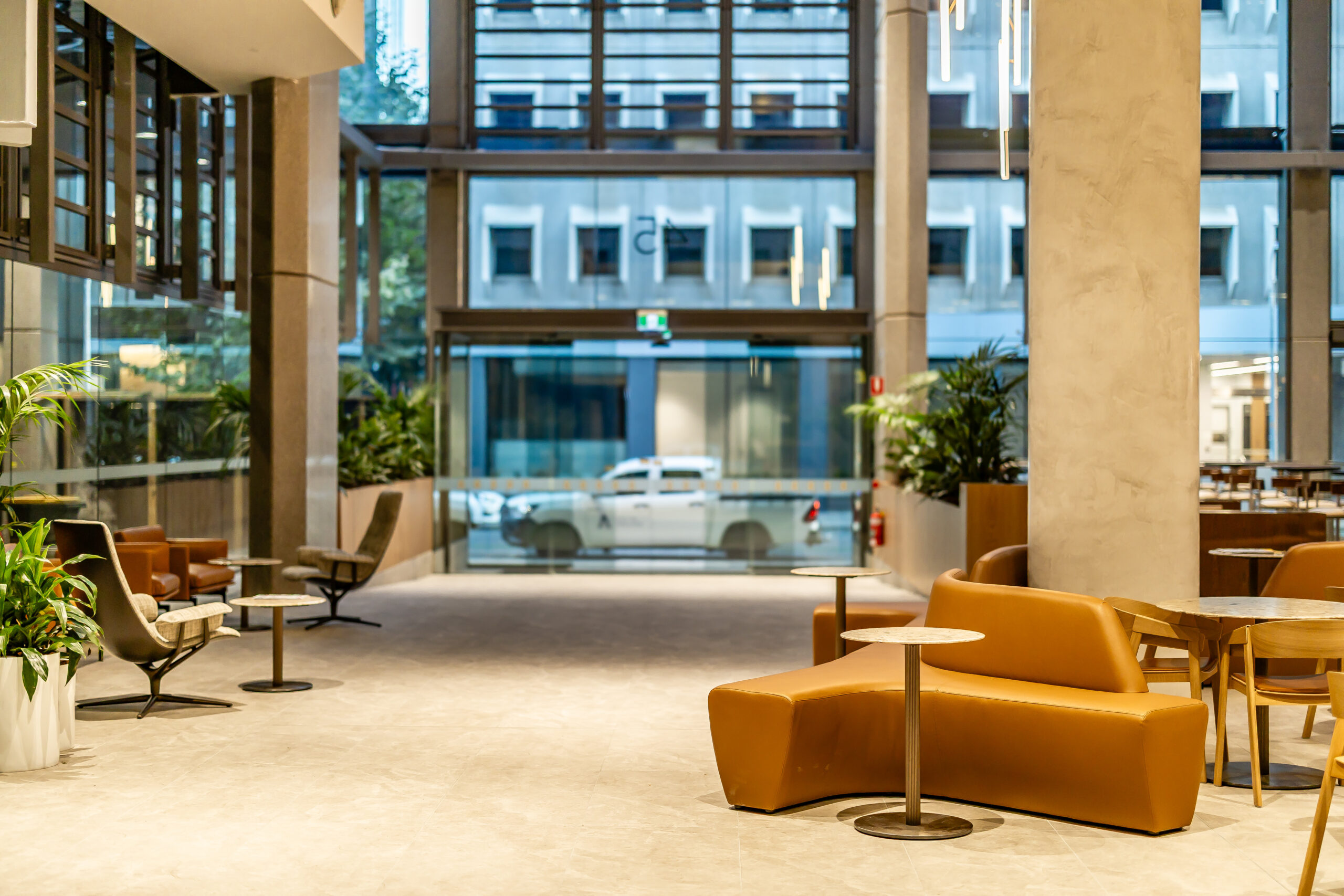
The makeover includes new boardroom facilities, an upgraded wellness centre, improved end-of-trip facilities and lobby, as well as a concierge service.
But will the upgrade catapult the skyscraper back into the prime or premium sector?
Owners Lendlease and Realside concede that even after the makeover is complete mid-year, it will remain an A-grade building.
The West Australian understands the size of the building’s floor plates prevent it from being categorised as a prime or premium grade office.
Realside chief executive Linda Rudd said the makeover would help the office stand out in a competitive market.
“We anticipate leasing demand will only strengthen as a result of the refurbishment, ensuring Realside and Lendlease are in a strong position to fill the South32 backfill when it leaves the building late in 2025,” she said.
She said the makeover would meet today’s high standards.
“The expectation among today’s office tenants is that they are able to access high-quality facilities in line with global standards,” she said.
“Investment in best-in-class facilities for today’s tenants will differentiatePalace Tower in a competitive leasing market, while the new name celebrates a new chapter.
The makeover includes a new business lounge on the ground floor in the section of the lobby where the current cafe is located.
The adjoining Meat and Wine Co venue will service this area and provide hot drinks, appetisers, wine and cocktails to customers who want to use the space after the cafe closes, ensuring late afternoon coffee in a city wheremost cafes close by 3pm.
An upgraded wellness centre at 108 St Georges Tce is part of a $10 million makeover
The ground floor cafe will be relocated to where the security desk is currently located, and will be operated by the popular La Veen, which also has venues at King Street and Raine Square.
“The Palace Hotel has a long history as a central place for people to meet,”Ms Rudd said.
“We wanted to re-create that sense of gathering so that Palace Tower becomes a central and preferred place for people in the city to come together.”
An improved wellness centre will provide Peloton bikes, gym equipment and yoga and Pilates classes.
South32 will retain signage rights until it vacates the skyscraper.
The refurbishment team includes architectural firms Woods Bagot and Oriol Design Studio, construction contractor CDI Group, services consultant NDY and project managers Generate Property Group.
Like retail but nervous about headwinds in the sector? There could be an alternative exposure that is looking attractive.
There’s been much talk about woes in the Australian retail sector. In a tougher economy, discretionary spend is the first to get cut – and companies like Baby Bunting and Harvey Norman typified this (despite the odd company that has come out unscathed – so far). Even Woolies and Coles bemoaned the challenges of inflation on consumers, with theft up and both chains investigating options to tighten controls.
It’s clear that inflation and the rate hiking cycle have created some headwinds, but that doesn’t mean the sector is necessarily one to steer clear of. One answer might be investing in retail centres themselves.
Linda Rudd and Mark Vonic of Realside Property see significant opportunity on this front, with an institutional need for liquidity opening up high-quality, sub-regional retail assets at discounted pricing.
Think 10,000-30,000 square metre retail facilities with a supermarket and a large discount department store. It can be metropolitan or regional – the term sub-regional simply refers to size.
“The reason that we’re quite interested in this sector at the moment is that they often sit on quite under-utilised parcels of land, very large parcels of land that serve as car parking.
We see them as real genuine infill opportunities and a sector that creates a lot of optionality and interest from our perspective.
Finally, it’s actually repriced to a point where it is most attractive from a yield perspective,” says Vonic.
It’s retail exposure in a different way – after all, investors in this form of property can benefit from rental yield, with quality assets demanding higher yields. It’s not necessarily just dependent on retail brands either, with the option to lease to healthcare companies, gyms and even childcare providers.
In this episode of The Pitch, Rudd and Vonic discuss the opportunity in this space, along with Realside Property’s newest acquisition – Maddington Central Shopping Centre.
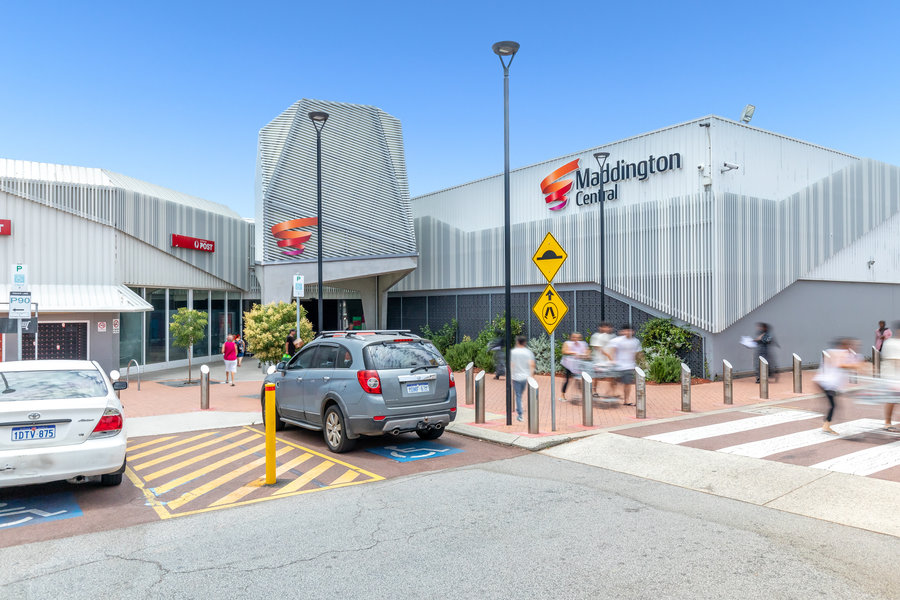
Property investor Realside has struck a deal to buy Maddington Central, a shopping centre located 17km from Perth’s central business district, from listed landlord Vicinity Centres for $107 million. Now, it’s seeking equity backers to come in on the investment.
Street Talk understands potential investors have been told Realside has secured the investment in an off-market trade at a small premium to the $97 million book value. However, the acquisition price is a 40 per cent-plus discount to the land and replacement value, while also being lower than Vicinity’s $122 million peak valuation for the asset.
Realside boss Linda Rudd, a former partner at Knight Frank Australia, has been meeting with high-net-worth types, alongside founder Mark Vonic, who was previously the chief investment officer of Primewest. The book is slated to shut on May 8.
Fund-raising documents state a base-case scenario of 8.5 per cent annual cash yield and 15.5 per cent internal rate of return over a five-year holding period.
Returns could be juiced up by the asset’s circa three hectares of vacant land, with wide. zoning that could house build-to-rent developments, logistics, a childcare centre, gym or medical centre.
The sub-regional mall was built in 1980, last refurbished in 2020, and sits on 13 hectares of land. Key tenants Woolworths, Coles and Kmart which have an average WALE of greater than eight years, underwrite $207 million in moving average turnover. Coles, in particular, is in discussions to sign on for another 10 years, according to the fund-raising documents.
Prospective hackers have been told it is a well-timed acquisition, with yields forecast to tighten from 2025.
It’s a small deal for Vicinity, which has a total portfolio value of $14.36 billion.
Falling property prices, inflation and rising interest rates. Is now really the time to buy commercial property? Realside believes it is.
Falling property prices, inflation and rising interest rates might be putting off some investors, but not Realside Financial Group. In fact, the investment group is bullish on the market and takes a counter-cyclical approach to property investment.
“We are very much a counter-cyclical buyer. When others are participating, we’re sitting out but that also means when everyone’s sitting out, we participate,” says Linda Rudd, Partner at Realside.
And what better time than now, Rudd argues.
Many of their competitors have had to bow out or even sell at a discount to free up liquidity for redemptions, or to fund development pipelines. Supply and demand dynamics also mean that buildings are often selling at a reasonable discount to their replacement cost.
Having stayed their hands in more buoyant markets – and maintaining a highly selective approach, puts Realside in the position to buy the right opportunities when they come up.
“We often say that you make your money on your purchase price in these markets if you can stick to the fundamentals,” says Mark Vonic, Partner at Realside.
That’s not to say it’s all roses in the property market and when it comes to buying, sometimes it’s a long time between drinks.
I spoke to Vonic and Rudd to learn more about the market and what criteria a property needs to tick to get them excited.
The common thread challenges hitting property
Inflation and rising interest rates might feel like a tired trope but it really has created challenges across every form of life – and every style of investing.
For property, the main concerns are maintaining income and valuations.
“We’ve seen return to work more impacting Sydney and Melbourne than other markets, such as Perth and Adelaide. On top of that, you’re also seeing the impact of tech sector redundancies and headcount rationalisations in finance,” says Rudd.
The challenging financial market has pushed vendors to the market for liquidity, be this for redemptions, to fund an existing development pipeline or manage debt positions.
“Some of these buildings will trade well below the perceived book value and we are monitoring closely to see where discounting lands,” Rudd says.
As commercial properties are typically leveraged, increasing interest rates (the cost of debt) will soften returns and in turn, the overall value. But that’s not the complete story as to why these properties end up discounted.
“Liquidity comes at a cost. You’re going to need to incentivise someone who has access to capital to come into the market at this point in time. That generally means a discount. For those that need the liquidity right now, there’ll be some prices that will raise some eyebrows. If you think about where share prices are relative to their net tangible assets, the market is already signalling that discount. It probably shouldn’t be a surprise to many,” says Vonic.
He expects short-term swings in valuations, with normalisation to come down the track.
Illiquid is not the problem you think
The theme of liquidity can steer investors away from commercial property.
After all, in challenging times, you may need to access your money fast and commercial property is viewed as illiquid (and tying back to why vendors are forced to sell at a discount in challenging times).
Vonic recognises this, but points out commercial property can also be a valuable asset in challenging times – for the right investor.
“Direct property is actually a really good defensive place to be in an uncertain market. There’s the advantage of having stable income, and if you’re able to see through the cycle, then your asset values will hold up. For those with the capacity to act in these markets, these are the buying opportunities, the times when you create real value,” says Vonic.
It comes with a caveat though –The fundamentals are important as is the original purchase price.
Realside is happy to be patient and wait for the right property at the right price rather than rush.
Holding out for the right property
The right property has to tick certain boxes for Realside.
In fact, their approach is so selective that they didn’t find the right opportunities for nearly two years during the covid pandemic, and chose to switch to industrial development opportunities instead.
Realside’s consistent approach to fundamentals is a key part of its selection process.
“Where does pricing sit relative to underlying land value and replacement cost? That’s a big indicator for us. Then we look at everything from rental growth prospects to data about tenant demand in certain markets. If we can’t make sense around where we think tenant demand is for a market or we think there’s a lot of supply coming to the market without the level of demand, we won’t entertain those markets,” Rudd says.
That’s not to say a prospect must be fully occupied at purchase. Rudd points to the purchase of 87 Collins St in Perth, which was vacant when Realside purchased it.
“We understood the metrics and the level of demand, particularly around tenants wanting a good quality product and were happy to back ourselves to pursue something that has been a success. It’s now 100% occupied,” she says.
Realside is now aiming to do the same with a recent purchase in Adelaide, 45 Pirie St.
Rudd also points to the physical characteristics of a building as being important, such as natural light, floor to ceiling windows, how we can change the worst parts of the building and location. Or even attractive features like views. For example, 108 St Georges Terrace, Perth, which was purchased in late 2022, has sweeping river views and is considered iconic in Perth.
Consistency in volatile markets
While you could view Realside’s counter-cyclical approach as contrarian, it all comes down to a consistent approach to fundamentals and what opportunities that generates in different points of the cycle. The cycle and market noise is secondary to the assets themselves.
“If you don’t understand the individual asset within the market, it doesn’t matter what the market does, it will still underperform. It really does come down to the individual asset because that’s what we can control. We can control how hard we work, how creative we are, how much capital we invest. We have levers we can pull. Active asset management is what we can control. We can’t control the market, other than choosing the timing of when we participate” Vonic says.
Being brave for the right opportunity
The decision to buy 108 St Georges Terrace Perth was considered a once-in-a-generation opportunity for Realside.
“A number of things about this building intrinsically are very appealing. The opportunity to buy those buildings does not come up frequently. It’s not about waiting for the market to give you the green light,” Rudd says.
The financial metrics were also ideal.
“The previous owner had spent an inordinate amount of capital. Something like $110 million. When you spend $340 million for something the previous owner spent $110 million on, that’s a lot of capital you’re inheriting,” she says.
It’s also very unusual to purchase at a 7.5% cap rate on a premium-grade building so Realside thought it was an opportunity they needed to act on.
The next steps for Realside involve refurbishing and repositioning. For example, adding amenities like cafes and gyms, and upgrading the end-of-trip facilities.
The latest catch
Realside has recently purchased 45 Pirie St Adelaide, with the goal of delivering strong high teens returns in the coming years. Rudd notes the property has been purchased at a 50% discount to its replacement value and she anticipates that active asset management will see strong market demand for tenancy.
“As per the data we’ve reviewed, in 2023, there’s around 140,000 square metres of leases expiring and then effectively, 80,000 square metres for the two years following 2023. 45 Pirie St has 76% vacancy and there’s 15,000 square metres we need to lease. Of the leases expiring, we feel confident in capturing some of the market as those tenants are looking for a good quality product,” says Rudd.
Buying at a discount has allowed Realside to focus more funding on improving building amenities and tenant experience. Rental levels will be set to offer a value proposition for prospective tenants to get into the building.
There may be more in the pipeline to come given Rudd and Vonic’s enthusiasm for activity in the current market.
Realside is a bottom-up asset selector with properties predominantly located in Perth and Adelaide. The current market challenges have thrown up opportunities in places Realside has focused less on in the past.
“We are now focusing more on Melbourne and Sydney than we have in the last short period of time. We haven’t spent much time in the past in these markets because we’ve been priced out. Now is our opportunity for exposure,” says Vonic.
Property in challenging times
Challenging times are often a period where you need to hold your nerve. And that applies across asset classes. Property is no exception.
Vonic points out that cycles are a guarantee.
“This is just another cycle. There’s been others. There’ll be more again. We know how these things play out,” he says.
For Realside, challenge brings opportunity and is where the big money can be made in direct property.
“It’s an exciting period where we can expand our business. We are aware of the noise. We’re not oblivious to it. But if groups like us aren’t buying now, then we’re never buying,” he says.
The Realside 45 Pirie Street Fund is currently open for investment, until 8 May 2023 for wholesale investors, with a minimum $100,000 investment.
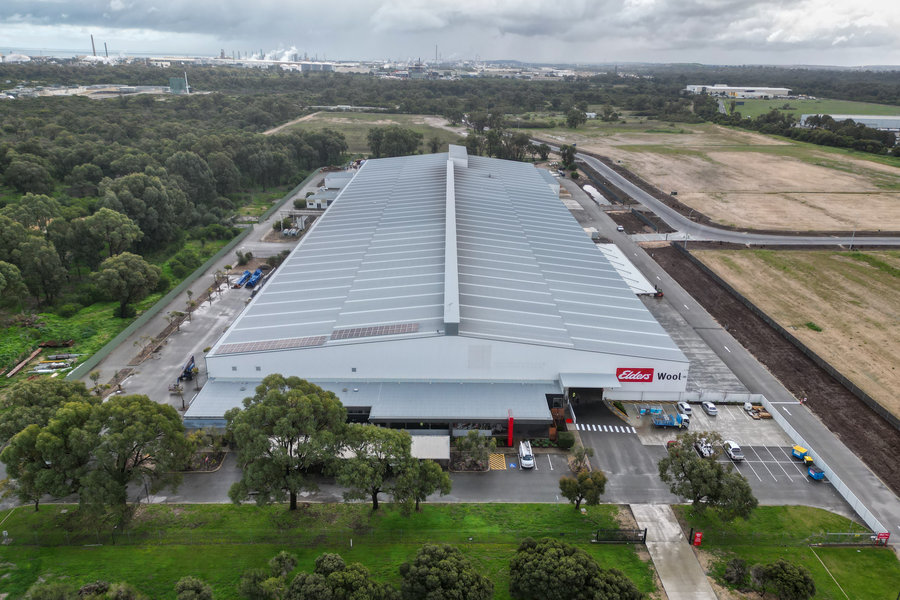
Realside Financial Group (Realside) has today announced the launch of Ovest Industrial Fund No. 2 (Ovest 2).
Ovest 2 is the second industrial property fund offering from property developer, asset manager and investment manager Ovest Industrial (Ovest), which was born out of a collaboration between the Mark Vonic-led property arm of Realside and the Julie Drago-led Perth-based executive team of Western Australian property developer and owner, Hero Properties.
Ovest 2 will capitalise on the strong outlook for industrial property by delivering an innovative build-to-own model, providing sophisticated investors with long-term cash flow and the ability to participate in development upside. The Fund will acquire vacant land which is zoned for industrial development and older style industrial buildings which can be refurbished and repositioned, across major capital cities. Acquisitions will be backed up by tenant pre-commitments over the sites, which will be developed by Ovest. The Fund will target an IRR of 14% and an average yield of 8.5% pa over five years.
The launch follows the May 2021 launch of the Ovest Industrial Fund No. 1 (Ovest 1). Strongly supported, Ovest 1 has fully deployed the ~$60m equity raised across 6 industrial properties in WA, is closed to new subscriptions and has achieved a number of significant development milestones. Since launching mid year, Ovest 1 has secured leases for c. 50,000sqm of existing and development assets. Once fully developed, Ovest 1 will provide c. 90,000 square metres of high quality industrial facilities to the Perth market and is forecast to provide a high yield cash return to investors. The end value of OIF1 is forecast to exceed $150m on completion.
Mark Vonic, Partner – Realside and Director – Ovest, (previously Primewest) said, “The timing of Ovest 1 and now Ovest 2 capitalises on the continued strong tenant demand for high quality industrial property in major capital cities which, coupled with ongoing forecast supply constraints, is expected to fuel further rental growth.
Mr. Vonic continued, “we believe that the potential development upside from a build-to-own strategy offers significant appeal over acquiring industrial-grade properties given the current climate of compressed cap rates. The Ovest executive team’s combined 80 years’ experience and proven track record across industrial development, asset management, investment management, as well as being a vertically integrated model, positions us well to execute on this strategy.
Julie Drago, CEO – Ovest Industrial, said “We continue to see many attractive opportunities in the market and are pleased to be able to offer investors an opportunity to participate in our vision of developing high-quality industrial properties to own for the long term. Our experienced development team, with established roots in the manufacturing and industrial sectors, coupled with our significant asset and investment management experience, ensures that we are optimally positioned to identify and acquire attractive properties with clear development potential, execute on these, and build long-lasting relationships with tenants based on service delivery and an acute understanding of their specific requirements.”
For further coverage on this announcement, see below:
– Business News, 9 November 2021 – Realside launches property fund
– Australian Property Journal, 10 November 2021
Disclaimer
Realside Asset Management Pty Ltd (ACN 634 575 714 AFSL 517629) (Realside) is the trustee of the Ovest Industrial Fund No. 2 (Fund) and has appointed Ovest Industrial Pty Ltd (ACN 649 460 748) (Ovest) as the manager of the Fund. While neither Realside nor Ovest has any reason to believe the information in this document is inaccurate, the truth or accuracy of the information cannot be warranted or guaranteed. Before making any decision regarding the Fund, investors should consider the Information Memorandum (IM) which contains important information about investing in the Fund. It is important investors obtain and read the IM before making a decision about whether to acquire units in the Fund. This document contains general information only and is not intended to be financial product advice. It does not take into account any person’s (or class of persons’) investment objectives, financial situation or particular needs, and should not be used as the basis for making investment, financial or other decisions. Investors should also consult a licensed financial adviser before making an investment decision in relation to the Fund. Neither Realside nor Ovest nor any other person associated with the Fund guarantees or warrants the future performance of the Fund, the return on an investment in the Fund, the repayment of capital or the payment of distributions from the Fund. To the extent permitted by law, no liability is accepted by Realside, Ovest or their respective directors for any loss or damage as a result of any reliance on this information.
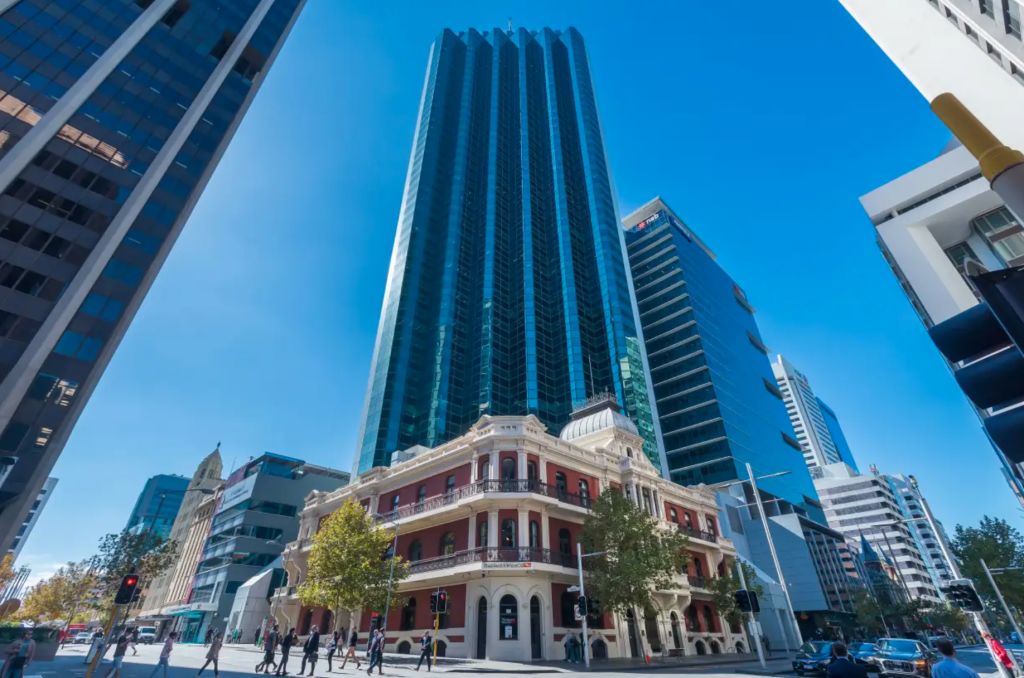
Lendlease has joined forces with boutique investment manager Realside to acquire a St Georges Terrace skyscraper in Perth for $339.75 million from Brookfield, a move that signals how value-add style investors are setting the pace in the market.
The purchase of the 51-storey tower is the third such deal for Lendlease’s Real Estate Partners 4 fund, a $1.5 billion fund put together last year with a view to seizing opportunities in a disrupted market.
Lendlease seeded the REP4 fund this year with a $391 million acquisition of the “Blue Tower” in Brisbane’s Creek Street, in partnership with Marquette Properties.
That transaction was followed in September by a $300 million move on two towers in central Melbourne, including one on Collins Street, held by the Rich Lister Werdiger family.
The close-ended Lendlease fund has a 10-year fixed life. Its strategy is to pick up existing assets that can generate income, while repositioning and refurbishing them, with an eye to the upside that could potentially flow from further planning and even change of use.
“This is a great acquisition for the REP4 portfolio,” said Paul Snushall, head of private equity for Lendlease Investment Management.
“In line with our recent Blue Tower acquisition in Brisbane and Collins Street acquisitions in Melbourne, we’re keen to enhance 108’s ground plane and end-of-trip facilities, along with creating quality fitted suites to deliver a superior product for current and future tenants.”
The investment numbers underlying that thesis are set out in a fund-raising offer for sophisticated investors which was launched in September by Lendlease’s partner in the deal, Sydney-based Realside. It is expected Realside will take up about one-third of the investment.
Investors in the Realside fund are forecast to receive average annual cash distributions of 7.9 per cent, and an 11.7 per cent internal rate of return over five years.
The Realside fund-raising offer also makes clear its strategy is to “take advantage of short-term market mispricing” to acquire the Perth tower at what it describes as “a highly attractive price relative to recent comparables”.
On Wednesday, Realside Financial Group’s founding partner, Mark Vonic, said: “Realside’s purchase of 108 [St Georges Terrace] is an example of our approach to seeking out opportunities that provide our clients access to core assets that provide attractive returns.”
Developed by Alan Bond in the 1980s, the 38,000 square-metre tower has a list of blue chip tenants, including ASX-listed miner South32, pan-Asian officer provider The Executive Centre, lender Pioneer Credit, and law firm Norton Rose Fulbright.
The St Georges Terrace property includes the three-storey, heritage-listed Palace Hotel, built in 1897, which provides offices, cafe, restaurants and multiple conference facilities.






 Nick Lenaghan Nov 11, 2022